Bakery Equipment Company Experts for Commercial Baking

November 12, 2026
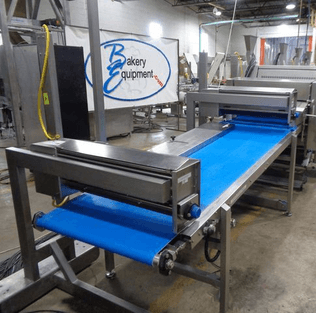
Commercial bakeries face a unique blend of challenges: high-volume production, strict food-safety standards, and the constant pressure to innovate while keeping costs under control. Selecting the right equipment is not merely a purchase decision; it is a strategic move that can define the efficiency, product quality, and profitability of an operation. Expert guidance from seasoned bakery equipment specialists helps translate technical specifications into real-world performance, ensuring that every oven, mixer, and dough divider works in harmony with the bakery’s workflow.
Why Partner with Bakery Equipment Specialists?
Specialists bring a depth of industry knowledge that goes beyond catalog descriptions. Their experience with diverse production lines enables them to:
- Assess space constraints and suggest layouts that maximize floor-plan efficiency.
- Match equipment capacity to projected demand, avoiding under- or over-utilization.
- Identify energy-saving technologies that lower operating costs.
- Provide ongoing support, from installation to preventive maintenance.
For a deeper dive into strategic equipment selection, Discover expert strategies here.
Key Equipment Categories for Commercial Baking
Mixers and Dough Development
Consistent dough quality starts with the right mixer. Modern planetary and spiral mixers offer precise speed control, temperature regulation, and programmable cycles.
- Planetary mixers – ideal for batch processes and specialty items.
- Spiral mixers – best for high-volume, high-hydration doughs.
- Continuous mixers – enable nonstop production for large bakeries.
Proofing and Fermentation
Controlled proofing environments reduce variability and improve shelf life. Look for units with:
- Accurate humidity control (80-95%).
- Programmable temperature ramps.
- Modular racks for flexible product flow.
To explore the latest proofing technology, Explore advanced guides and tips.
Ovens and Baking Systems
Oven selection is the cornerstone of product consistency. Choices include:
- Deck ovens – deliver classic crust and artisanal texture.
- Convection ovens – provide uniform heat for fast-bake items.
- Rotary rack ovens – handle high-throughput with minimal manual handling.
Manufacturers now integrate IoT sensors for real-time monitoring, allowing bakers to adjust cycles on the fly and reduce waste.
Integrating Automation for Seamless Production
Automation reduces labor intensity and enhances repeatability. Critical automation points include:
- Ingredient dosing systems – ensure exact formulation every batch.
- Dividers and rounders – produce uniform pieces with minimal waste.
- Conveyors with barcode tracking – maintain traceability from raw material to finished loaf.
Automation also supports compliance with food-safety regulations by minimizing human contact.
Maintenance Strategies that Extend Equipment Life
Proactive maintenance protects capital investment. Effective programs feature:
- Scheduled inspections based on manufacturer recommendations.
- Predictive analytics using sensor data to anticipate component wear.
- Training for in-house technicians on routine tasks such as belt tensioning and cleaning protocols.
For a comprehensive maintenance roadmap, Find out more about this approach.
Choosing the Right Supplier
A reliable supplier acts as an extension of the bakery’s engineering team. Important criteria include:
- Depth of product portfolio – ability to source both core and niche equipment.
- Technical support – availability of engineers for on-site troubleshooting.
- Financing options – flexible terms that align with cash-flow cycles.
- Reference projects – proven success in similar production environments.
Conclusion
Investing in the right bakery equipment, guided by seasoned experts, transforms operational challenges into competitive advantages. From mixers that guarantee dough uniformity to ovens that deliver consistent crust, each piece of machinery contributes to a streamlined, cost-effective production line. By leveraging specialized knowledge, embracing automation, and committing to disciplined maintenance, commercial bakeries can meet growing market demands while preserving product excellence.