Ashwagandha Supplement Comparison: Best Ashwagandha, Capsules, and Extract Options

October 30, 2026
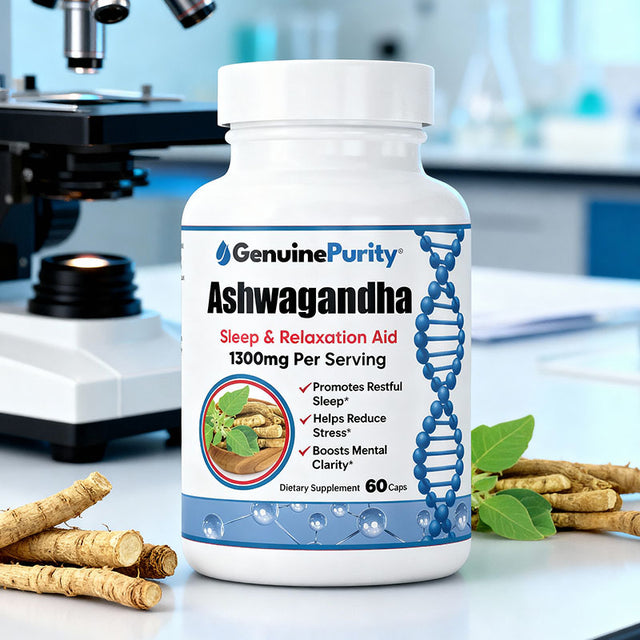
Ashwagandha, a revered adaptogen in Ayurvedic medicine, has surged in popularity among athletes, busy professionals, and anyone seeking natural stress relief. With a market flooded by capsules, powders, and liquid extracts, choosing the right supplement can feel overwhelming. This guide breaks down the key factors that differentiate products, compares top options, and provides practical tips for selecting the most effective formulation for individual health goals.
Understanding Ashwagandha Forms: Capsules vs. Extracts
Manufacturers typically offer ashwagandha in two primary formats: whole-root capsules and concentrated extracts. Both deliver the herb’s active constituents, primarily withanolides, but they differ in potency, absorption, and usage convenience.
Capsules
- Standardized dosage: Most capsule products contain 300-600″?mg of root powder per serving, making dosing predictable.
- Whole-root benefits: The powder includes a broader spectrum of phytochemicals, which may provide synergistic effects.
- Ease of use: Simple to swallow, no taste, and ideal for daily routines.
Extracts
- Higher concentration: Extracts are often standardized to 5-10″?% withanolides, delivering stronger effects in smaller doses.
- Faster absorption: Liquid or soft-gel formats bypass some digestive steps, leading to quicker bioavailability.
- Versatility: Can be mixed into smoothies, teas, or taken directly, offering flexibility for those who dislike swallowing pills.
Key Criteria for Comparing Ashwagandha Supplements
When evaluating products, consider the following factors to ensure quality and efficacy:
- Standardization: Look for products that specify a withanolide percentage (typically 5″?% or higher).
- Purity and sourcing: Organic, non-GMO, and sustainably harvested roots reduce the risk of contaminants.
- Third-party testing: Independent lab results confirm potency and safety.
- Formulation type: Decide between capsules and extracts based on personal preference and desired potency.
- Dosage flexibility: Products offering multiple serving sizes can be adjusted for individual tolerance.
Top Contenders in the Market
Below is a concise comparison of three highly regarded options that meet the above criteria. Each product is linked to a reputable source for easy reference.
1. Premium Whole-Root Capsules
This offering provides 600″?mg of organic ashwagandha root per capsule, standardized to 5″?% withanolides. The formulation is free from fillers, gluten, and artificial additives, making it suitable for sensitive individuals.
- Dosage: 1-2 capsules daily
- Key benefit: Balanced blend of root compounds for holistic support
- Link: ashwagandha capsules
2. High-Potency Liquid Extract
Concentrated to 10″?% withanolides, this extract delivers a potent dose in just a few drops. The liquid base is derived from organic, cold-pressed extraction, preserving the herb’s delicate phytochemicals.
- Dosage: 1″?ml (???10″?mg withanolides) twice daily
- Key benefit: Rapid absorption for immediate stress-relief
- Link: ashwagandha extract
3. Balanced Hybrid Formula
Combining a moderate capsule dose with a small amount of liquid extract, this hybrid aims to provide both the comprehensive benefits of the whole root and the quick action of an extract.
- Dosage: 1 capsule + 5 drops daily
- Key benefit: Versatile dosing for customized support
- Link: best ashwagandha supplement
How to Choose the Right Product for Your Needs
Consider the following scenarios to match a formulation with lifestyle and health objectives.
- Stress management and sleep support: A high-potency extract can provide faster calming effects, especially when taken in the evening.
- Daily energy and endurance: Whole-root capsules offer a steady release of adaptogenic support throughout the day.
- Travel or on-the-go use: Capsules are compact and mess-free, while a travel-size dropper bottle of extract fits easily in a bag.
- Budget considerations: Capsules often present a lower cost per serving, whereas extracts may cost more but require fewer doses.
Safety, Side Effects, and Interactions
Ashwagandha is generally well-tolerated, but it’s important to be aware of potential concerns:
- May cause mild gastrointestinal discomfort in high doses.
- Potential interaction with thyroid medication, sedatives, or immunosuppressants, consult a healthcare professional before starting.
- Pregnant or nursing individuals should avoid supplementation unless advised by a clinician.
Practical Tips for Maximizing Benefits
- Take the supplement with a meal containing healthy fats to improve absorption of fat-soluble withanolides.
- Maintain a consistent schedule; adaptogens work best with regular use over several weeks.
- Combine with lifestyle practices such as mindfulness, regular exercise, and adequate sleep for synergistic effects.
- Track personal response in a journal to fine-tune dosage and timing.
Where to Purchase Quality Ashwagandha
For those ready to experience the benefits of a trusted formulation, reputable online retailers offer secure purchasing options. Selecting a product that meets the discussed standards ensures confidence in purity and potency.
Explore the full range of options and buy ashwagandha directly from a source that emphasizes third-party testing and sustainable sourcing.
Conclusion
Choosing the best ashwagandha supplement hinges on understanding the differences between capsules and extracts, evaluating standardization, purity, and personal lifestyle needs. By applying the comparison criteria outlined above, consumers can select a product, whether it’s the best ashwagandha for stress relief, a convenient ashwagandha supplement for daily energy, or a potent ashwagandha extract for rapid results, that aligns with their health goals and delivers the adaptogenic support modern life demands.