Buy Automotive Tools Today and Upgrade Your Workshop Efficiency

October 26, 2026
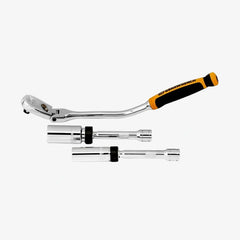
In today’s fast-paced automotive repair environment, the right set of tools can mean the difference between a smooth workflow and costly downtime. Investing in high-quality, versatile equipment not only speeds up routine tasks but also enhances safety, precision, and overall productivity. Whether outfitting a small independent garage or expanding a larger service center, selecting the appropriate tools is a strategic decision that directly impacts turnaround time and profitability.
Why Upgrading Tools Improves Workshop Efficiency
Modern automotive tools are engineered with ergonomics, durability, and multi-functionality in mind. Upgrading older or single-purpose equipment brings several measurable benefits:
- Reduced Cycle Time: Faster torque delivery, quicker diagnostics, and streamlined part removal shorten each repair cycle.
- Enhanced Accuracy: Precision-rated instruments minimize rework caused by measurement errors.
- Improved Safety: Built-in safety features such as slip-resistant grips and overload protection protect technicians.
- Lower Maintenance Costs: Robust construction and better warranty support decrease the frequency of tool replacement.
Key Categories of Automotive Tools to Consider
1. Diagnostic Equipment
Effective troubleshooting starts with reliable diagnostic hardware and software. Modern scanners can read multiple vehicle protocols, perform live data streaming, and even program certain modules. Investing in a versatile diagnostic platform reduces the need for separate specialty tools.
2. Power and Impact Tools
Power wrenches, impact drivers, and cordless drill-drivers accelerate bolt tightening and removal, especially on high-torque applications such as engine mounts or suspension components. Look for tools with adjustable torque settings and brushless motors for longer run times.
- Variable speed control for delicate tasks.
- Integrated LED lighting for better visibility in confined spaces.
- Battery platforms compatible across multiple tools to simplify charging logistics.
Learn more in this detailed guide.
3. Hand Tool Sets
Despite advances in power equipment, high-quality hand tools remain indispensable. Sets that include ratchets, sockets, wrenches, and pliers with ergonomic handles reduce hand fatigue and improve grip during prolonged use.
- Chrome-vanadium steel for superior strength.
- Metric and SAE size ranges to cover diverse vehicle specifications.
- Storage solutions such as modular trays or rolling cabinets for organization.
Explore further insights here.
4. Specialty Tools
Specialized tasks, such as brake bleeding, tire mounting, or fuel system service, require dedicated instruments. Adding a few well-chosen specialty tools can eliminate the need for makeshift solutions that compromise efficiency and safety.
- Brake caliper spreaders for quick rotor removal.
- Digital torque wrenches for precise bolt tightening.
- Fuel pressure gauges calibrated to OEM specifications.
Find additional information here.
Implementing an Effective Tool Management System
Acquiring tools is only half the equation; managing them correctly ensures they continue to deliver value. A systematic approach to tool inventory, maintenance, and calibration can prevent loss, extend lifespan, and keep the workshop running smoothly.
- Inventory Tracking: Use barcode or RFID tagging to monitor tool locations and usage frequency.
- Scheduled Maintenance: Establish routine checks for wear, battery health, and calibration accuracy.
- Standard Operating Procedures: Document proper handling and storage guidelines for all staff.
Cost-Benefit Analysis for Tool Investments
When budgeting for new equipment, consider both upfront costs and long-term returns. A simple cost-benefit model can help justify expenditures:
- Calculate average labor hours saved per job with the new tool.
- Assign an hourly labor rate to quantify time savings in monetary terms.
- Subtract the tool’s purchase price and estimated maintenance costs.
- Determine the payback period; tools that recoup costs within 6-12 months typically offer strong ROI.
Final Recommendations
To maximize workshop efficiency, follow these practical steps:
- Assess current workflow bottlenecks and prioritize tool categories that address them.
- Choose equipment with proven durability, ergonomic design, and interchangeable battery platforms.
- Integrate a robust tool management system to safeguard assets and maintain performance.
- Regularly review usage data to refine tool selections and keep the inventory aligned with evolving service demands.
By thoughtfully selecting and maintaining automotive tools, a workshop can achieve faster turnaround times, higher quality repairs, and improved technician satisfaction, all essential components of a competitive automotive service operation.