Comprehensive dpf service Solutions for All Vehicle Types

October 26, 2026
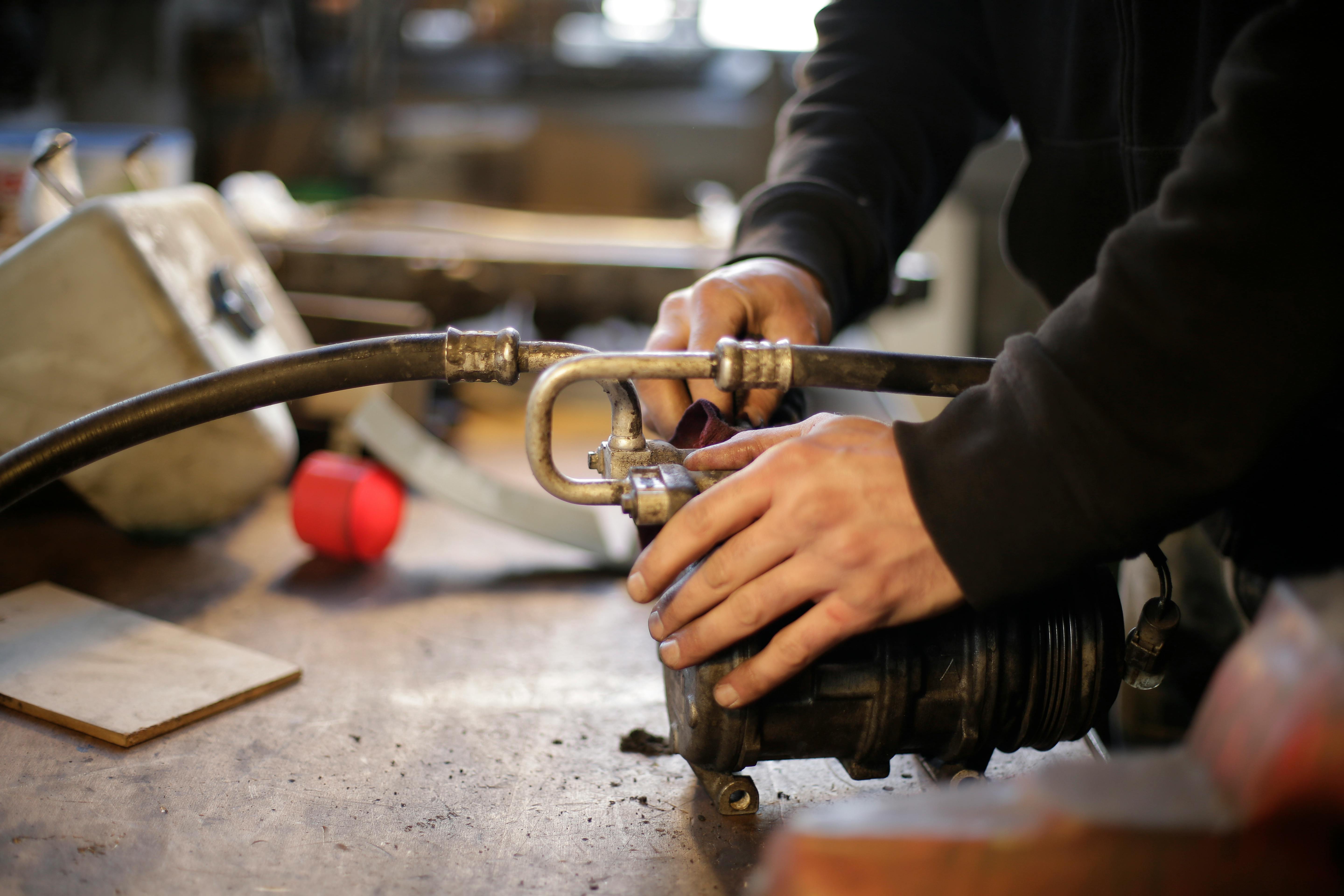
Diesel Particulate Filters (DPF) have become essential components in modern diesel engines, capturing soot and reducing emissions to meet stringent environmental regulations. As vehicle technology evolves, the demand for reliable DPF service solutions across a wide range of vehicle types, light-duty trucks, commercial fleets, passenger cars, and heavy-duty machinery, continues to grow. Effective DPF maintenance not only ensures compliance but also protects engine performance, fuel efficiency, and longevity. This article explores comprehensive DPF service strategies, from routine cleaning to advanced regeneration techniques, offering practical guidance for technicians, fleet managers, and vehicle owners.
Understanding DPF Functionality and Common Issues
A DPF operates by trapping particulate matter (PM) in a porous ceramic matrix. Over time, the accumulated soot must be oxidized through a regeneration cycle; otherwise, blockage occurs, leading to reduced power, increased fuel consumption, and potential engine damage.
Typical Symptoms of DPF Problems
- Warning lights or error codes related to exhaust after-treatment.
- Noticeable loss of torque and sluggish acceleration.
- Excessive black smoke during acceleration.
- Higher fuel consumption than usual.
Root Causes
- Short trips that prevent the DPF from reaching the temperature needed for passive regeneration.
- Low-quality fuel or oil that increases soot production.
- Faulty sensors (e.g., pressure, temperature) that mismanage regeneration timing.
- Physical damage to the filter substrate.
Preventive Maintenance Strategies
Proactive care reduces the likelihood of costly DPF failures. Regular service intervals, combined with proper driving habits, keep the filter operating within optimal parameters.
- Scheduled Inspections: Conduct visual and diagnostic checks every 15,000-20,000 miles, focusing on sensor health and pressure differentials.
- Driving Patterns: Incorporate longer highway runs to allow the DPF to reach regeneration temperatures naturally.
- Fuel Quality Management: Use low-sulphur diesel and adhere to manufacturer-recommended oil specifications.
- Software Updates: Keep engine control unit (ECU) firmware current to benefit from improved regeneration algorithms.
For a deeper dive into tailored preventive measures, Learn about our tailored solutions.
Advanced DPF Cleaning Techniques
When a DPF becomes clogged, several remediation options exist. The choice depends on the severity of blockage, vehicle type, and operational downtime constraints.
Passive Regeneration
Utilizes normal driving conditions to raise exhaust temperatures above 600??C, allowing soot to oxidize. This method is cost-free but requires sufficient mileage.
Active Regeneration
Triggers a controlled fuel injection event to increase exhaust temperature. Typically initiated by the ECU when pressure differentials exceed preset thresholds.
Forced Regeneration
Performed using diagnostic tools that command the ECU to run a regeneration cycle regardless of sensor data. Ideal for vehicles with frequent short trips.
Offline DPF Cleaning
Involves removing the filter and cleaning it with specialized equipment:
- Ultrasonic Cleaning: Dislodges soot particles using high-frequency sound waves.
- Air-Blasting: Forces compressed air through the filter matrix to expel trapped ash.
- Thermal Treatment: Heats the filter in a controlled oven to burn off soot without damaging the substrate.
Professional service centers often combine these methods for optimal results. To explore detailed guidelines on effective DPF cleaning, Explore advanced guides and tips.
DPF Deletion: When Is It Appropriate?
DPF deletion, removing the filter and re-programming the ECU, remains a controversial topic. While it can improve performance and fuel economy, it also violates emissions regulations and may void warranties. Deletion is generally considered only in markets where regulations permit it, or for off-road equipment that is exempt from road-use standards.
- Legal Implications: Verify local emission laws before proceeding.
- Engine Calibration: Ensure the ECU is retuned to prevent lean-burn conditions.
- Environmental Impact: Recognize the increase in particulate emissions.
For a balanced perspective on DPF deletion, Find out more about this approach.
Service Workflow for Fleet Operators
Large fleets require streamlined processes to minimize vehicle downtime while maintaining compliance. An effective workflow includes:
- Diagnostic Screening: Use OBD-II scanners to identify DPF-related codes.
- Data Logging: Record mileage, trip length, and regeneration events for trend analysis.
- Prioritized Scheduling: Group vehicles with similar DPF conditions for batch servicing.
- On-Site Regeneration: Deploy portable units capable of forced regeneration without removing the filter.
- Post-Service Verification: Run a full system check to confirm pressure differentials are within specifications.
Implementing such a protocol can extend filter life by up to 30″?% and reduce unexpected breakdowns. Detailed best-practice recommendations are available at Discover expert strategies here.
Choosing the Right Service Provider
Selecting a partner with proven expertise ensures that DPF interventions are performed safely and effectively. Key criteria include:
- Certified technicians with specific training in diesel after-treatment systems.
- Access to OEM-approved diagnostic tools and cleaning equipment.
- Transparent reporting that outlines work performed, findings, and future recommendations.
- Compliance with local environmental regulations and waste disposal standards.
When evaluating options, consider providers that consistently publish case studies and technical articles, reflecting a commitment to ongoing education.
Future Trends in DPF Technology
Emerging developments aim to reduce maintenance frequency and improve overall efficiency:
- Hybrid Filtration Media: Combining ceramic substrates with metal-based catalysts to accelerate soot oxidation.
- Smart Sensors: Real-time monitoring of particulate load, enabling predictive regeneration.
- Alternative After-Treatment Systems: Technologies such as NOx-absorbing catalysts that may eventually replace traditional DPFs in certain applications.
Staying informed about these innovations helps technicians anticipate service requirements and adapt maintenance schedules accordingly.
Conclusion
Effective DPF service solutions are essential for maintaining vehicle performance, meeting regulatory standards, and protecting the environment across all vehicle categories. By understanding filter operation, implementing preventive maintenance, selecting appropriate cleaning methods, and partnering with knowledgeable service providers, operators can maximize filter lifespan and minimize costly downtime. Continuous education and awareness of upcoming technologies will further enhance the ability to manage DPF systems efficiently in the evolving automotive landscape.