Electronic Menu Screens: The Future of Restaurant Digital Signage

November 11, 2026
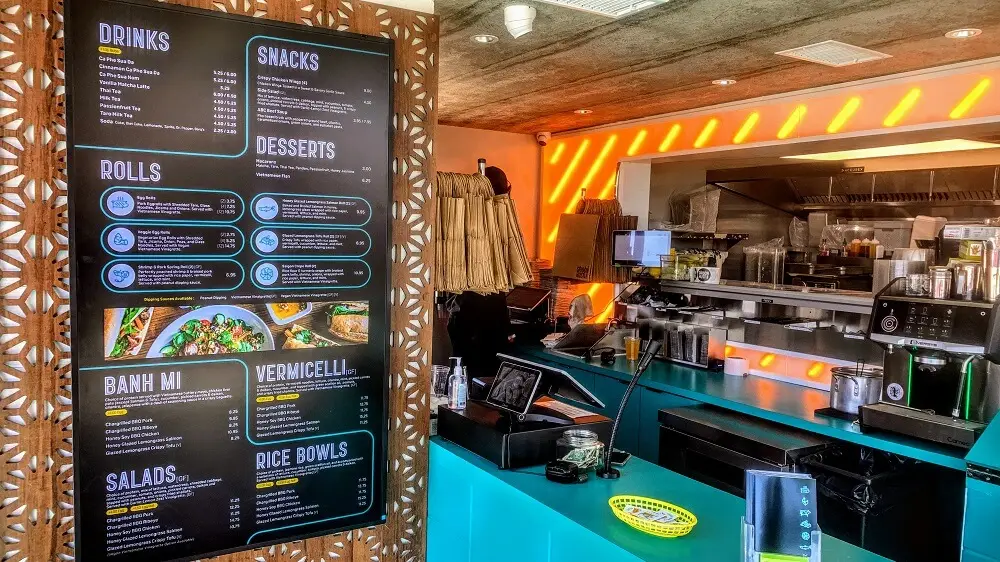
Restaurant owners are increasingly turning to electronic menu screens to streamline operations, enhance guest experiences, and stay competitive in a fast-moving digital landscape. Unlike traditional printed menus, digital displays can be updated instantly, showcase vivid imagery, and integrate seamlessly with point-of-sale systems. This shift marks a pivotal evolution in restaurant digital signage, where flexibility, data-driven insights, and visual appeal converge to create a new standard for dining environments.
Why Electronic Menu Screens Are Gaining Traction
Several factors drive the rapid adoption of digital menu boards across the hospitality sector:
- Instant Updates: Prices, specials, and seasonal items can be changed in real time without reprinting costs.
- Enhanced Visual Storytelling: High-resolution images and videos attract attention and stimulate appetite.
- Operational Efficiency: Integration with inventory and ordering platforms reduces errors and speeds service.
- Data Collection: Interaction metrics help refine menu layouts and promotional strategies.
For deeper insight into how these advantages translate into measurable results, Discover expert strategies here.
Key Features to Look For
Dynamic Content Management
A robust content management system (CMS) should allow non-technical staff to:
- Upload new dishes and photos with drag-and-drop simplicity.
- Schedule time-based promotions (e.g., happy hour, lunch specials).
- Sync menu changes across multiple locations from a single dashboard.
Integration Capabilities
Seamless connectivity with existing restaurant technology stacks is essential. Look for solutions that:
- Link directly to POS and kitchen display systems.
- Pull inventory data to automatically hide out-of-stock items.
- Support QR code generation for contactless ordering.
To explore how integration can be tailored for specific operational needs, Learn about our tailored solutions.
Design Best Practices for Maximum Impact
Effective digital menus combine aesthetic appeal with usability. Consider the following guidelines when designing your screens:
- Clear Hierarchy: Use size, color, and spacing to guide the eye toward high-margin items.
- Readable Typography: Choose fonts that remain legible from a distance and on various screen sizes.
- Consistent Branding: Incorporate brand colors, logos, and tone of voice to reinforce identity.
- Strategic Use of Motion: Subtle animations draw attention without overwhelming diners.
Accessibility Considerations
Inclusive design ensures all guests can comfortably read the menu. Implement:
- High contrast between text and background.
- Adjustable font sizes for visual impairments.
- Alternative language options for multicultural audiences.
Measuring Success: Metrics That Matter
Digital menu screens generate valuable data that can inform business decisions. Track the following KPIs:
- Item Click-Through Rate: Percentage of diners who view a particular dish.
- Average Check Size: Changes after introducing high-margin visuals.
- Menu Update Frequency: How often items are refreshed without manual reprinting.
- Customer Feedback Scores: Correlate visual enhancements with satisfaction surveys.
For a comprehensive guide on leveraging these metrics, Explore advanced guides and tips.
Implementation Checklist
- Assess current POS and kitchen display compatibility.
- Select hardware that meets brightness and durability requirements for your venue.
- Choose a CMS that offers intuitive scheduling and multi-location support.
- Develop a visual style guide aligned with brand identity.
- Train staff on content updates and troubleshooting procedures.
- Launch a pilot in one location, gather data, and refine the approach.
Future Trends Shaping Digital Menu Technology
As technology evolves, several emerging trends will further transform restaurant signage:
- AI-Powered Recommendations: Real-time suggestions based on ordering history and inventory levels.
- Augmented Reality (AR) Menus: Interactive overlays that let diners visualize dishes in 3D.
- Voice-Activated Ordering: Hands-free interaction for faster service and accessibility.
- Eco-Friendly Displays: Energy-efficient screens that reduce carbon footprints.
For readers interested in staying ahead of these developments, Find out more about this approach.
Conclusion
Electronic menu screens are no longer a novelty; they are a strategic asset that enhances operational efficiency, boosts revenue, and elevates the guest experience. By selecting the right technology, adhering to design best practices, and continuously analyzing performance data, restaurants can confidently navigate the digital future of dining. The shift toward dynamic, data-driven signage represents a sustainable path forward for establishments eager to meet modern consumer expectations.