Find Quality Protein Powder for Muscle Growth

October 3, 2026
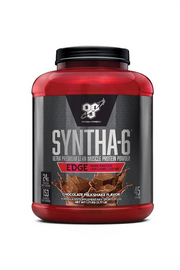
In the quest for muscle growth, protein powder emerges as a critical element in the dietary regimen of fitness enthusiasts and professional athletes alike. The right protein supplement not only supports muscle repair and growth but also enhances overall physical performance. However, finding the right protein powder that aligns with one’s fitness goals and dietary needs can be a daunting task. This article aims to guide readers through the process of selecting high-quality protein powders to fuel muscle growth, providing expert-backed insights and practical advice.
Understanding Protein Powder Types
Protein powders come in various types, each offering distinct benefits and catering to different dietary preferences. Here’s a brief overview:
- Whey Protein: Known for its quick absorption and complete amino acid profile, whey protein is ideal for post-workout recovery.
- Casein Protein: Slower to digest, casein provides a steady release of amino acids, making it suitable for nighttime recovery.
- Plant-Based Proteins: Options like pea, hemp, and soy cater to vegans and those with dairy sensitivities while still providing essential nutrients.
- Egg White Protein: Offers a lactose-free alternative with a high biological value, beneficial for muscle repair.
To learn about our tailored solutions, you can explore more detailed information on each type of protein powder available on the market.
Key Factors in Choosing Quality Protein Powder
When selecting a protein powder, several factors should be taken into consideration to ensure it meets your muscle growth needs:
Ingredient Transparency
Opt for products with clear labeling that detail the protein source and any additional ingredients. Avoid powders with excessive fillers, artificial flavors, and preservatives.
Protein Content Per Serving
A high-quality protein powder should offer a substantial amount of protein per serving, ideally 20-30 grams, depending on individual dietary requirements and workout intensity.
Amino Acid Profile
Essential amino acids, particularly Branched-Chain Amino Acids (BCAAs), play a crucial role in muscle protein synthesis. Ensure the protein powder includes a comprehensive amino acid profile.
Digestibility
Choose a protein powder that is easily digestible to prevent gastrointestinal discomfort. Many brands now offer hydrolyzed options that are broken down for quicker absorption.
For a deeper dive into these considerations, discover expert strategies here.
Matching Protein Powder to Your Goals
The choice of protein powder should align with specific fitness goals, whether it’s bulking, cutting, or maintaining muscle mass.
Bulking
For those looking to gain mass, a protein powder with added carbohydrates and a higher caloric content may support increased caloric intake.
Cutting
During a cutting phase, opt for a low-carb, low-fat protein powder to aid in maintaining lean muscle mass while reducing calorie intake.
Maintenance
For maintaining muscle mass, a balanced protein powder that complements a well-rounded diet is ideal.
You can explore advanced guides and tips tailored to each of these goals.
Evaluating Quality and Safety Standards
Before purchasing, ensure the protein powder complies with industry quality and safety standards. Look for:
- Third-Party Testing: Verifies the purity and potency of the product.
- Certifications: Marks such as NSF Certified for Sport or Informed-Choice indicate adherence to rigorous testing protocols.
To find out more about this approach, check trusted resources and reviews.
In conclusion, choosing the right protein powder is pivotal for anyone serious about muscle growth. By understanding the different types, evaluating key factors, aligning choices with fitness goals, and ensuring adherence to quality standards, individuals can effectively support their training and nutritional objectives. As the journey to enhanced muscle growth unfolds, it is crucial to remain informed and make choices that reflect both personal needs and scientific insights.