Innovative Solutions for Furniture Joinery Surfaces

January 6, 2026
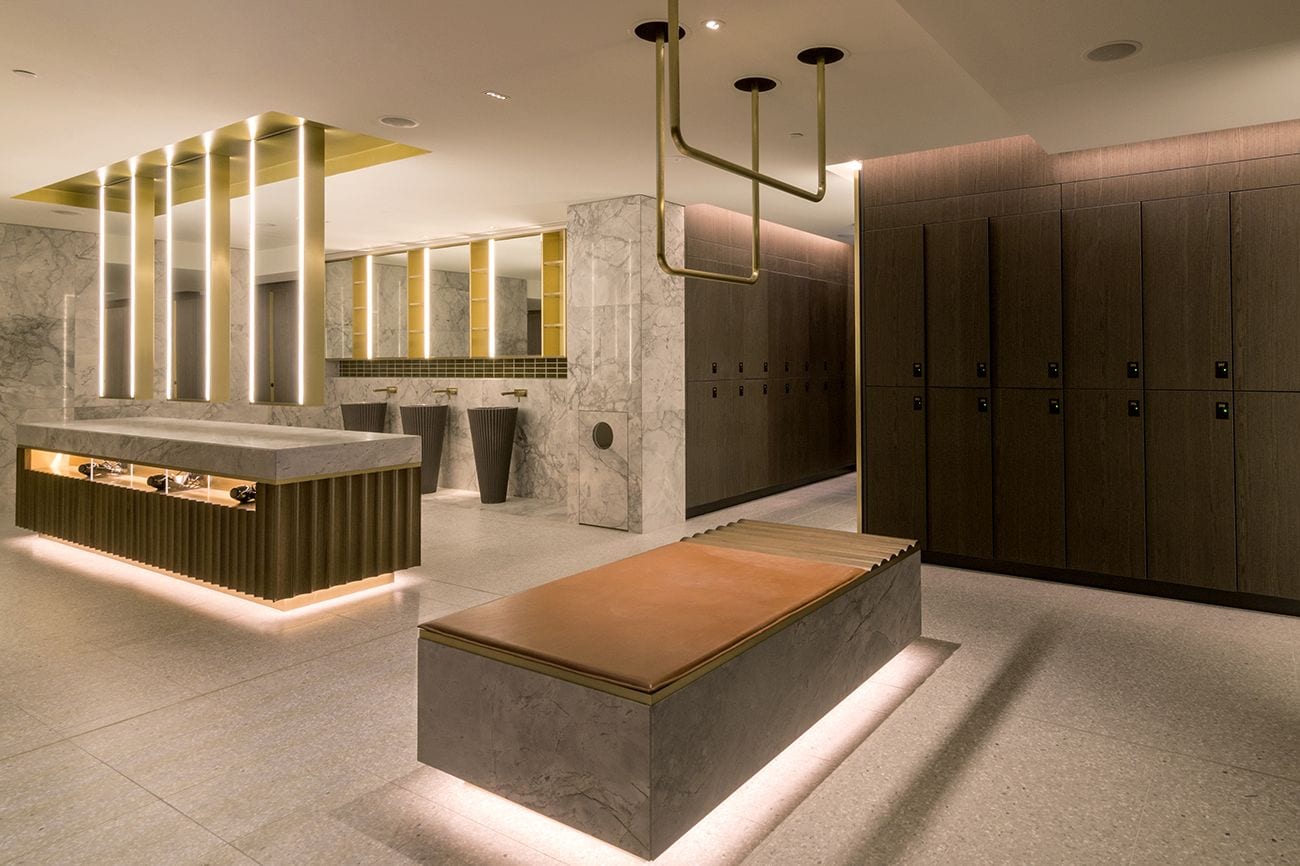
In the realm of furniture manufacturing, joinery surfaces play a crucial role in the durability, aesthetics, and functionality of the final product. As technology advances, so do the methods and materials used in joinery, offering a plethora of innovative solutions that address both traditional challenges and modern demands. This article explores some of the latest advancements and techniques in furniture joinery surfaces, highlighting their benefits and applications.
Advancements in Joinery Techniques
Computer Numerical Control (CNC) Machining
CNC machining has revolutionized the way furniture joinery is approached. This technology allows for precision cutting and shaping of materials, leading to:
- Enhanced accuracy and consistency in joinery parts.
- Reduced waste due to precise measurements.
- Increased efficiency in production processes.
By leveraging CNC technology, manufacturers can achieve intricate designs and high-quality finishes that were previously unattainable. Read more about this topic.
3D Printing
The introduction of 3D printing in furniture joinery provides exciting possibilities for customization and design flexibility. Key benefits include:
- Ability to create complex geometric shapes that are difficult to produce with traditional methods.
- Customization options for bespoke furniture pieces.
- Efficient prototyping, allowing for faster design iterations.
This technology paves the way for innovative furniture designs that cater to specific customer needs and preferences. Learn more in this detailed guide.
Innovative Materials in Joinery
Composite Materials
Composite materials offer a blend of strength and aesthetics, making them an excellent choice for furniture joinery surfaces. Advantages include:
- Enhanced durability and resistance to wear and tear.
- Wide range of finishes and textures available.
- Sustainability through the use of recycled content.
These materials cater to environmentally conscious consumers and provide manufacturers with versatile options for creating contemporary designs. Explore further insights here.
Nanotechnology-Enhanced Surfaces
Nanotechnology is being utilized to improve the properties of joinery surfaces, offering benefits such as:
- Increased resistance to scratches and stains.
- Improved anti-bacterial properties, ensuring hygienic surfaces.
- Long-lasting color retention and surface durability.
This cutting-edge approach enhances the longevity and functionality of furniture pieces, appealing to both residential and commercial markets. Find additional information here.
The Future of Furniture Joinery
As we look to the future, the continuous evolution of technology and materials promises further innovations in furniture joinery. The integration of smart technologies, such as IoT-enabled surfaces, is expected to introduce new functionalities to furniture, transforming it into an interactive element in smart homes and offices. Additionally, the focus on sustainability will drive the development of eco-friendly materials and processes, aligning with global environmental goals. By staying abreast of these trends, manufacturers can remain competitive and meet the changing needs of consumers.
In conclusion, the landscape of furniture joinery surfaces is rapidly changing, driven by technological advancements and innovative materials. Through the adoption of new techniques and sustainable practices, the industry is poised to deliver high-quality, functional, and aesthetically pleasing furniture solutions that cater to modern lifestyles.