Maximizing Efficiency with Insulated Wall Panel Installation

October 4, 2026
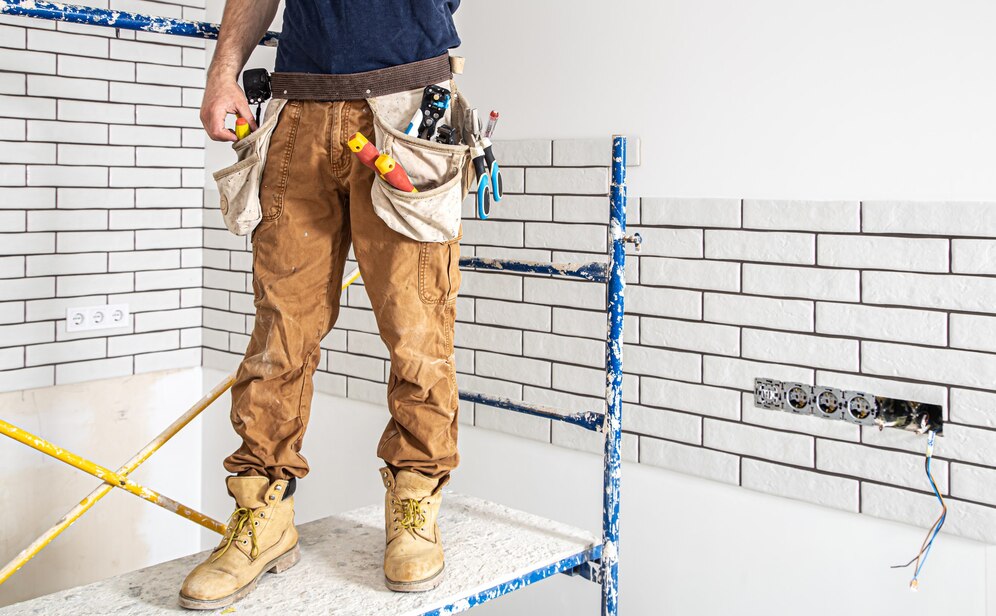
In the realm of modern construction, efficiency is key. Whether embarking on a new project or renovating an existing structure, the use of insulated wall panels has become a favored choice. These panels not only enhance energy efficiency but also expedite the building process. Understanding the intricacies of insulated wall panel installation can significantly impact both the project’s timeline and overall quality. This article delves into the benefits of these panels and offers guidance on optimizing their installation.
Understanding Insulated Wall Panels
Insulated wall panels are a versatile building material designed to provide superior thermal performance. They are typically composed of a rigid foam core sandwiched between two layers of structural board. This design offers numerous advantages:
- Energy Efficiency: The panels reduce heating and cooling costs by maintaining consistent indoor temperatures.
- Structural Support: Despite their lightweight nature, these panels provide robust support.
- Moisture Control: Many panels are designed to resist water infiltration, protecting the integrity of the structure.
Maximizing Efficiency in Installation
For effective installation, several key practices should be observed. These practices not only ensure optimal performance but also prolong the lifespan of the panels:
Proper Planning
Before installation, thorough planning is essential. This includes assessing the site conditions and understanding the specific requirements of the project. Engaging a basement construction contractor can provide invaluable insights and expertise.
- Site Assessment: Evaluate environmental factors such as wind load and seismic activity.
- Material Selection: Choose the right type of panel that suits the specific needs of the project.
- Detailed Blueprint: Ensure all architectural plans are clear and precise to avoid any discrepancies during installation.
Efficient Installation Techniques
Once planning is complete, the focus shifts to the actual installation process. Employing efficient techniques can save time and reduce labor costs:
- Panel Alignment: Ensure panels are properly aligned to avoid gaps and ensure stability.
- Sealing and Fastening: Utilize appropriate sealing methods to enhance moisture resistance and fastening methods to secure the panels.
- Quality Checks: Conduct regular checks throughout the process to identify and rectify any issues promptly.
Integrating with Other Construction Elements
Insulated wall panels are often used in conjunction with other construction materials. For instance, they can be seamlessly integrated into concrete block basement construction. Such integration requires a comprehensive understanding of how different materials interact:
- Compatibility: Ensure materials are compatible to prevent structural issues.
- Thermal Bridging: Use thermal breaks where necessary to minimize heat loss.
- Load-Bearing Considerations: Confirm that the panels support the required loads without compromising safety.
Conclusion
The adoption of insulated wall panels is a forward-thinking approach in basement construction services. By focusing on strategic planning, efficient installation, and effective integration, builders can harness the full potential of these panels, ensuring both performance and durability. As the industry evolves, staying informed and adopting best practices remain crucial to achieving success in construction projects.