Mental Health Evaluations: What to Expect in a Private Session

November 11, 2026
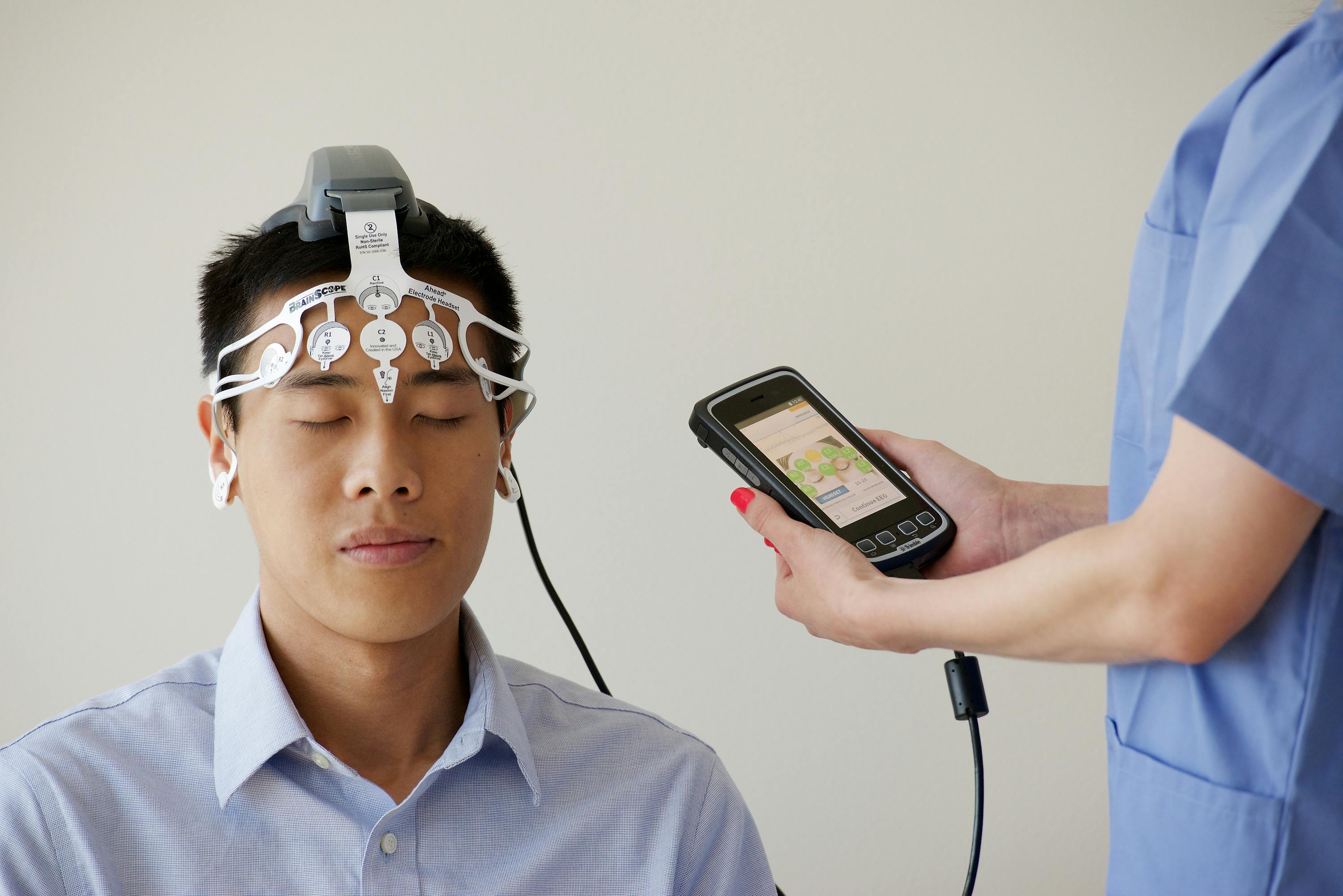
Mental health evaluations are a crucial step in understanding and addressing mental health concerns. These evaluations can be conducted in various settings, including private sessions, and are typically led by a licensed mental health professional. A private session provides an individual with a safe and confidential space to discuss their thoughts, feelings, and experiences without fear of judgment or criticism. During a private session, an individual can expect a comprehensive evaluation that assesses their mental health and provides a foundation for future treatment.
Preparing for a Private Session
Before attending a private session, it is essential to prepare by gathering relevant information and being aware of what to expect. This may involve providing personal and medical history, as well as any relevant mental health records. Being prepared will enable the mental health professional to conduct a more thorough evaluation and provide a more accurate assessment of the individual’s mental health. For more information on what to expect during a private session, visit this website for a detailed guide.
The Evaluation Process
During a private session, the mental health professional will typically begin by asking the individual to provide a detailed history of their mental health, including any previous diagnoses, treatments, and experiences. This information will be used to inform the evaluation and provide a comprehensive understanding of the individual’s mental health. The professional may also use various assessment tools and techniques, such as questionnaires and behavioral observations, to gather more information and support their evaluation. For a more in-depth understanding of the evaluation process, read more about this topic on the website.
Assessment Tools and Techniques
Assessment tools and techniques used during a private session may vary depending on the individual’s specific needs and circumstances. Some common tools and techniques include:
- Psychological questionnaires and assessments, such as the Beck Depression Inventory (BDI) or the Minnesota Multiphasic Personality Inventory (MMPI)
- Behavioral observations, such as tracking mood and behavior over a specific period
- Clinical interviews, which involve a detailed discussion of the individual’s mental health history and experiences
- Psychological testing, such as projective tests or cognitive assessments
What to Expect After the Evaluation
After the evaluation, the mental health professional will typically provide the individual with a comprehensive report outlining their findings and recommendations. This report may include a diagnosis, treatment plan, and any necessary referrals for further care. The individual may also be provided with resources and support to help them manage their mental health, such as coping strategies and self-help materials. For additional information on managing mental health, explore further insights here on the website.
Conclusion
Mental health evaluations are a crucial step in understanding and addressing mental health concerns. A private session provides a safe and confidential space for individuals to discuss their thoughts, feelings, and experiences without fear of judgment or criticism. By being prepared, understanding the evaluation process, and using various assessment tools and techniques, mental health professionals can provide a comprehensive understanding of an individual’s mental health and provide a foundation for future treatment. For more information on mental health evaluations and treatment options, find additional information here on the website.