Modular Classroom Buildings for Education Sector

November 9, 2026
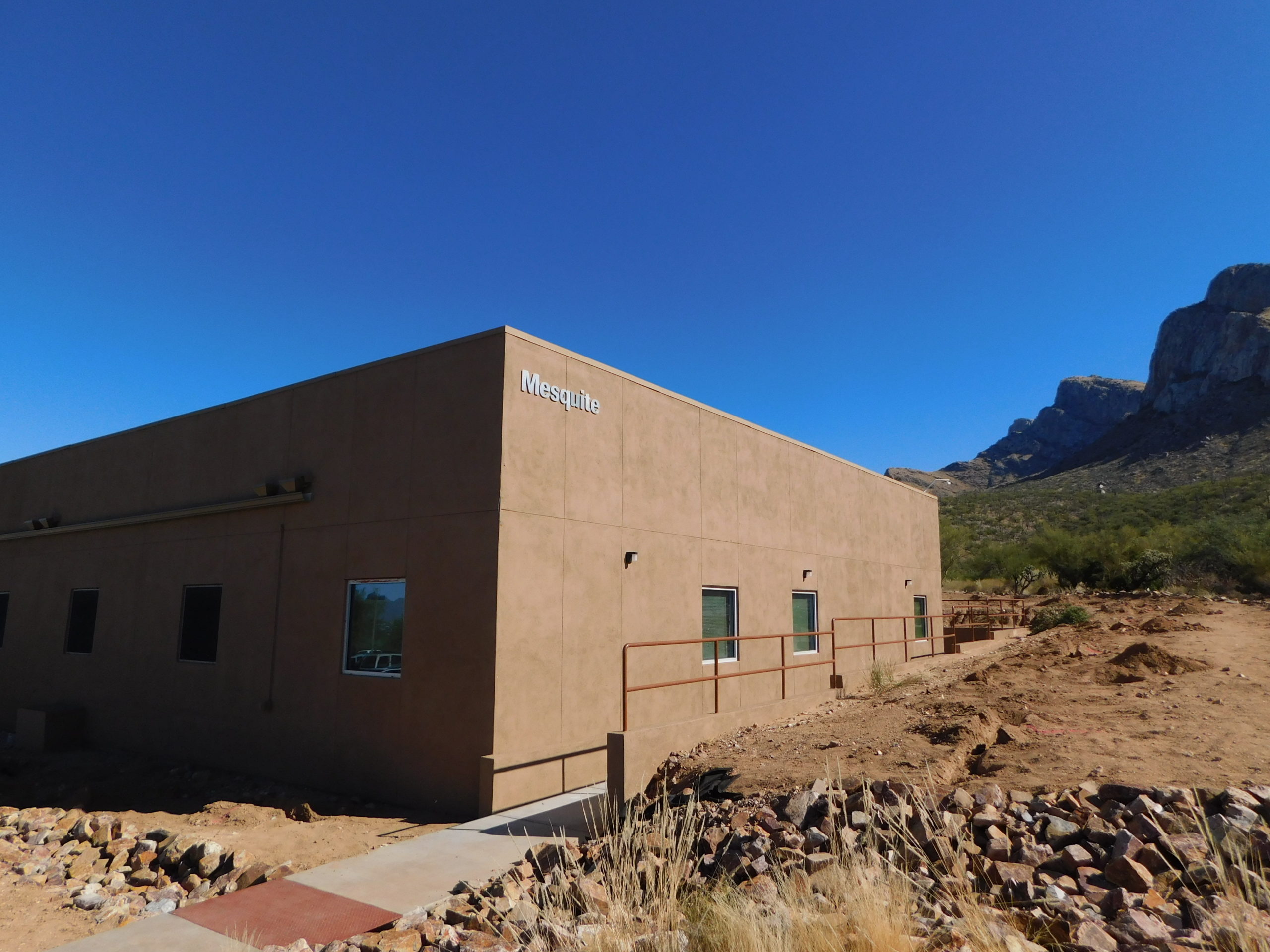
The education sector faces growing pressure to provide flexible, high-quality learning environments while managing tight budgets and fluctuating enrollment numbers. Modular classroom buildings have emerged as a practical solution, offering speed of construction, cost efficiency, and the ability to adapt to changing pedagogical needs. By prefabricating components in a controlled factory setting, schools can reduce on-site disruption, meet stringent safety standards, and future-proof their campuses for evolving instructional models.
Why Modular Classrooms Are Gaining Traction
Speed and Predictability
- Rapid deployment: Entire classrooms can be installed in weeks rather than months, allowing districts to respond quickly to enrollment spikes or temporary space shortages.
- Controlled environment: Factory production minimizes weather-related delays, ensuring project timelines remain on track.
- Reduced on-site labor: Less reliance on skilled construction crews translates to lower labor costs and fewer safety incidents.
Cost Effectiveness
- Lower material waste: Precise cutting and standardized components reduce excess material, delivering savings that can be redirected to educational resources.
- Predictable budgeting: Fixed-price contracts are common in modular projects, limiting unexpected cost overruns.
- Energy efficiency: Modern modular units are built to high insulation standards, decreasing long-term utility expenses.
Design Flexibility for Modern Learning
Modular classrooms are not limited to a single layout. They can be customized to support collaborative spaces, STEM labs, art studios, and special-needs classrooms. The ability to reconfigure or expand modules means schools can evolve their facilities without the expense of new construction.
- Scalable footprints: Add or remove modules as enrollment changes.
- Integrated technology: Pre-wired infrastructure for interactive whiteboards, high-speed internet, and audiovisual equipment.
- Sustainable materials: Options include recycled steel frames and low-VOC finishes, supporting green building certifications.
Regulatory Compliance and Safety
Every modular unit must meet local building codes, fire safety regulations, and accessibility standards. Because components are manufactured in a regulated factory, quality control is consistent, and documentation is readily available for inspectors. Schools can therefore achieve compliance more efficiently than with traditional construction.
Financial Models: Purchase vs. Lease
Decision-makers often weigh the benefits of purchasing modular classrooms outright against leasing them for a defined term. Purchasing provides long-term asset ownership and potential tax advantages, while leasing offers flexibility and lower upfront capital outlay. For districts uncertain about future space needs, leasing can act as a trial period before committing to permanent acquisition.
For a deeper dive into the financial considerations of modular construction, Discover expert strategies here and explore how different models align with budget cycles.
Implementation Best Practices
Planning Phase
- Conduct a thorough needs assessment to determine classroom size, capacity, and specialized requirements.
- Engage stakeholders, teachers, facilities managers, and parents, to ensure the design supports instructional goals.
- Develop a phased rollout plan that minimizes disruption to existing schedules.
Site Preparation
- Ensure the foundation and utility connections are ready before module delivery.
- Coordinate delivery windows to avoid traffic congestion and maintain safety on campus.
- Implement a clear signage system for delivery trucks and installation crews.
Post-Installation Evaluation
- Perform a post-occupancy survey to gather feedback on comfort, acoustics, and functionality.
- Adjust HVAC settings, lighting controls, or furniture layouts based on user input.
- Schedule regular maintenance checks to preserve the building envelope and mechanical systems.
For actionable guidance on each step of the process, Learn about our tailored solutions that align with educational objectives and operational constraints.
Case Studies: Success Stories in Education
Several school districts across the United States have reported measurable improvements after adopting modular classrooms. Notable outcomes include:
- 30% reduction in construction time compared to traditional builds.
- 15% lower annual energy costs due to high-performance insulation.
- Increased student satisfaction scores linked to modern, adaptable learning spaces.
These results illustrate how modular construction can directly impact both fiscal responsibility and educational quality.
Future Trends: Modular Solutions Beyond the Classroom
Looking ahead, modular technology is poised to support a broader range of educational facilities, such as temporary pandemic response units, outdoor learning pods, and even fully modular campuses that can be relocated as demographics shift. Integration with smart-building systems will enable real-time monitoring of indoor air quality, occupancy, and energy usage, further enhancing the learning environment.
To stay abreast of emerging innovations, Explore advanced guides and tips that discuss how modular design intersects with sustainability, technology, and pedagogy.
Conclusion
Modular classroom buildings offer a compelling blend of speed, cost control, flexibility, and compliance that aligns with the evolving demands of the education sector. By embracing these structures, schools can create resilient, future-ready environments that support diverse teaching methods while safeguarding financial stewardship. As the sector continues to prioritize adaptable spaces, modular construction stands out as a strategic investment in the next generation of learning.