Patch Sleep Benefits: What to Expect When Using Sleep Patches

October 27, 2026
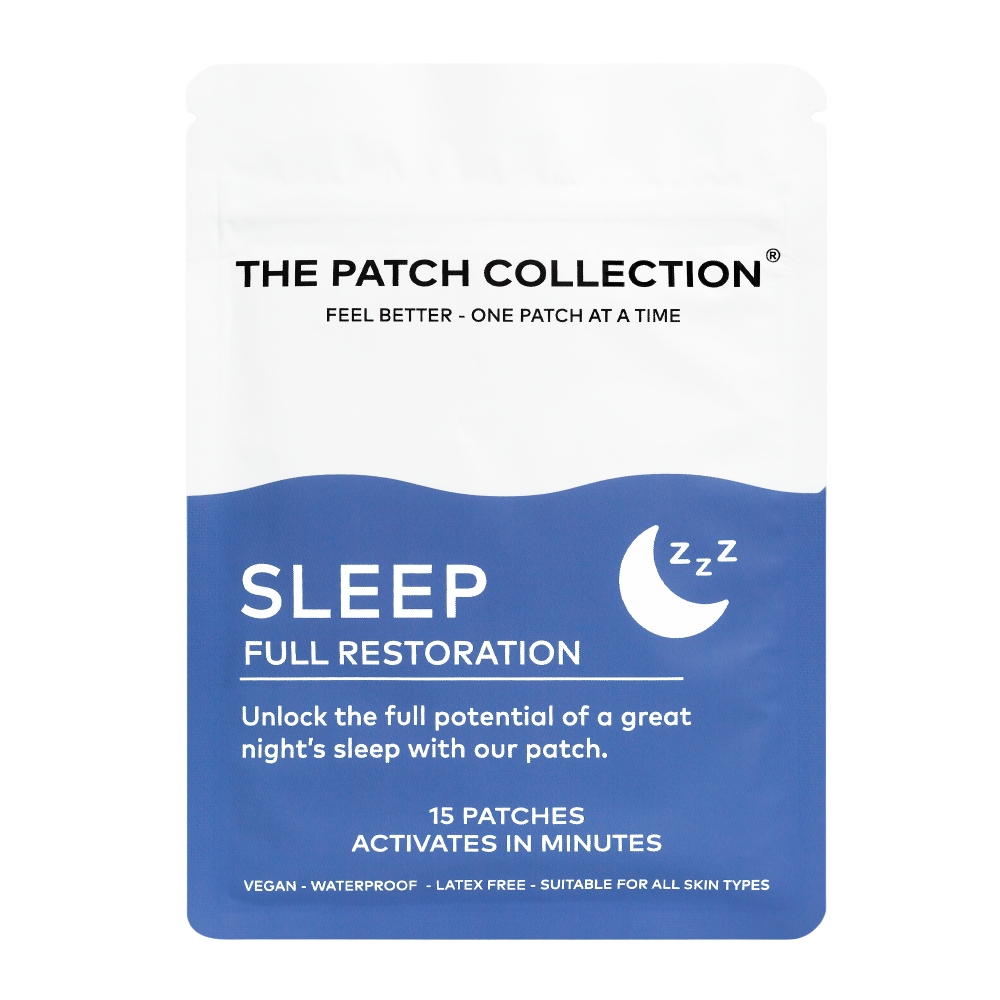
Sleep patches have entered the wellness market as a discreet, non-invasive method for supporting a restorative night’s rest. By delivering a blend of natural ingredients through the skin, these transdermal solutions aim to promote relaxation, regulate circadian rhythms, and improve overall sleep quality without the need for pills or liquids. As more consumers seek alternatives to traditional sleep aids, understanding what to expect from a sleep patch, its mechanisms, benefits, potential side effects, and best-practice usage, becomes essential for making an informed decision.
How Sleep Patches Work
Sleep patches operate on the principle of transdermal absorption. When applied to clean, dry skin, the patch releases micronized actives that pass through the epidermis and enter the bloodstream over several hours. This steady release contrasts with the rapid spikes often seen with oral supplements, offering a more consistent effect throughout the night.
Key Ingredients Typically Found in Sleep Patches
- Melatonin – a hormone that signals the body to prepare for sleep.
- Magnesium – supports muscle relaxation and reduces nighttime awakenings.
- L-Theanine – an amino acid known for promoting calm without drowsiness.
- Herbal extracts such as valerian root, passionflower, or chamomile for additional soothing properties.
Primary Benefits of Using Sleep Patches
When used correctly, sleep patches can deliver a range of measurable improvements:
- Consistent Sleep Onset – The gradual release of melatonin helps the body transition into sleep more smoothly.
- Reduced Nighttime Awakenings – Magnesium and calming botanicals can lessen the frequency of mid-night disruptions.
- Enhanced Sleep Architecture – Users often report deeper REM and slow-wave sleep phases, contributing to better mental clarity the next day.
- Convenient Application – A single patch applied before bedtime eliminates the need for multiple doses or remembering to take a pill.
For a deeper dive into how these components interact, Discover expert strategies here.
What to Expect in the First Week
Initial experiences can vary, but most users notice the following timeline:
- Night 1-2: A mild sense of calm; sleep onset may be slightly quicker.
- Night 3-5: Noticeable reduction in tossing and turning; fewer awakenings.
- Night 6-7: Improved overall sleep quality, with a feeling of refreshed wakefulness in the morning.
Individual factors such as baseline sleep patterns, stress levels, and lifestyle habits influence these outcomes. Consistency is key; applying the patch at the same time each evening helps reinforce the body’s sleep-wake cycle.
Best Practices for Optimal Results
To maximize the effectiveness of sleep patches, follow these guidelines:
- Clean Skin Surface: Remove lotions or oils before application to ensure proper adhesion.
- Placement: Apply to a non-hairy area like the inner forearm, upper chest, or behind the ear.
- Timing: Place the patch 30-60 minutes before bedtime; remove it in the morning.
- Environment: Pair the patch with a dark, cool bedroom and limit screen exposure.
- Duration of Use: A 2-week trial period helps assess personal response before long-term adoption.
For additional guidance on integrating patches into a holistic sleep routine, Learn about our tailored solutions.
Potential Side Effects and Safety Considerations
While sleep patches are generally well-tolerated, some users may experience minor reactions:
- Skin irritation or mild redness at the application site.
- Transient grogginess if the patch releases a higher dose of melatonin than needed.
- Allergic response to herbal extracts, always review ingredient lists if sensitivities are known.
If irritation persists, remove the patch and consult a healthcare professional. Pregnant or nursing individuals should seek medical advice before starting any new supplement regimen.
Integrating Sleep Patches with Lifestyle Adjustments
Sleep hygiene remains a cornerstone of restorative rest. Combining patches with proven habits amplifies benefits:
- Consistent Schedule: Go to bed and wake up at the same times daily.
- Physical Activity: Regular exercise, preferably earlier in the day, supports deeper sleep.
- Nutrition: Light evening meals and limited caffeine after mid-afternoon reduce sleep disruption.
- Mindfulness Practices: Gentle stretching, meditation, or breathing exercises before bed calm the nervous system.
To explore how patches complement these strategies, Explore advanced guides and tips.
Choosing the Right Sleep Patch
Not all patches are created equal. When selecting a product, consider:
- Ingredient Transparency: Look for clear labeling of active compounds and dosages.
- Patch Duration: Some are designed for an 8-hour release, while others provide a 12-hour window.
- Allergen Information: Verify that the patch is free from common allergens such as latex or fragrance.
- Third-Party Testing: Certifications indicate quality control and purity.
For a curated selection that meets these criteria, Find out more about this approach.
Conclusion
Sleep patches represent a promising addition to the toolkit of anyone striving for better rest. By delivering a steady blend of melatonin, magnesium, and calming botanicals through the skin, they offer a convenient, non-oral alternative that can improve sleep onset, reduce awakenings, and enhance overall sleep architecture. When paired with solid sleep hygiene practices and used consistently, users often experience noticeable improvements within the first week. As with any supplement, monitoring personal response and consulting healthcare professionals when needed ensures safe and effective use. Embracing this innovative method may be the next step toward achieving the restorative, uninterrupted sleep that underpins optimal health and daily performance.