Restore Your Basement from Water Damage

March 6, 2026
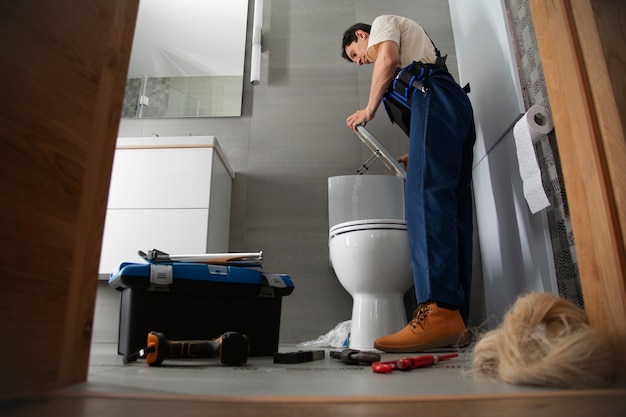
Water damage to a basement can be a homeowner’s nightmare, often leading to costly repairs and potential health risks. Whether it’s due to flooding, a burst pipe, or a slow leak, the effects of water damage can be severe if not addressed promptly. Understanding how to effectively restore your basement after such incidents is crucial for maintaining the integrity of your home. This guide will walk through the steps necessary to tackle water damage with precision and care, ensuring a safe and dry living space.
Identifying the Source of Water Damage
The first step in restoring a water-damaged basement is to identify the source of the water. This will help in preventing further damage and in planning the repair process.
- Check for visible leaks in pipes and walls.
- Inspect the basement floors for signs of seepage.
- Consider past weather conditions that may have caused flooding.
- Understand the grading around your home to prevent future issues.
Discover expert strategies here to identify and address the sources of water damage efficiently.
Effective Water Removal Techniques
Once the source has been identified and stopped, the next step is the removal of water. This is a critical phase that requires attention to detail to avoid further complications.
- Use a wet/dry vacuum or pump to remove standing water.
- Dehumidifiers and fans can accelerate drying.
- Dispose of any water-damaged items that cannot be salvaged.
- Ensure proper ventilation to prevent mold growth.
For more detailed advice on water extraction, learn about our tailored solutions.
Cleaning and Disinfecting the Affected Area
After the water has been removed, cleaning and disinfecting the affected areas are essential to prevent mold and mildew.
- Scrub surfaces with a strong detergent and warm water.
- Apply a disinfectant to kill bacteria and fungi.
- Remove any remaining moisture from porous materials.
- Consider professional cleaning services for extensive damage.
Explore advanced guides and tips on effective cleaning and disinfection techniques.
Restoration and Repair Solutions
After cleaning, the basement may require repairs or restoration to bring it back to its original condition. This might involve some structural work or simply cosmetic changes.
- Repair or replace damaged drywall and flooring.
- Ensure the foundation is inspected for cracks or weaknesses.
- Upgrade plumbing systems to prevent future incidents.
- Consider waterproofing solutions for long-term protection.
Find out more about this approach to restoring your basement effectively.
Preventive Measures for Future Protection
Prevention is always better than cure. Implementing preventive measures can safeguard your basement from future water damage.
- Install a sump pump with a backup power source.
- Ensure gutters and downspouts are free of debris.
- Seal gaps and cracks in walls and floors.
- Regularly inspect your plumbing and drainage systems.
Explore advanced guides and tips on preventive measures to protect your basement.