Secure File Sharing for Government Best Practices and Solutions

October 28, 2026
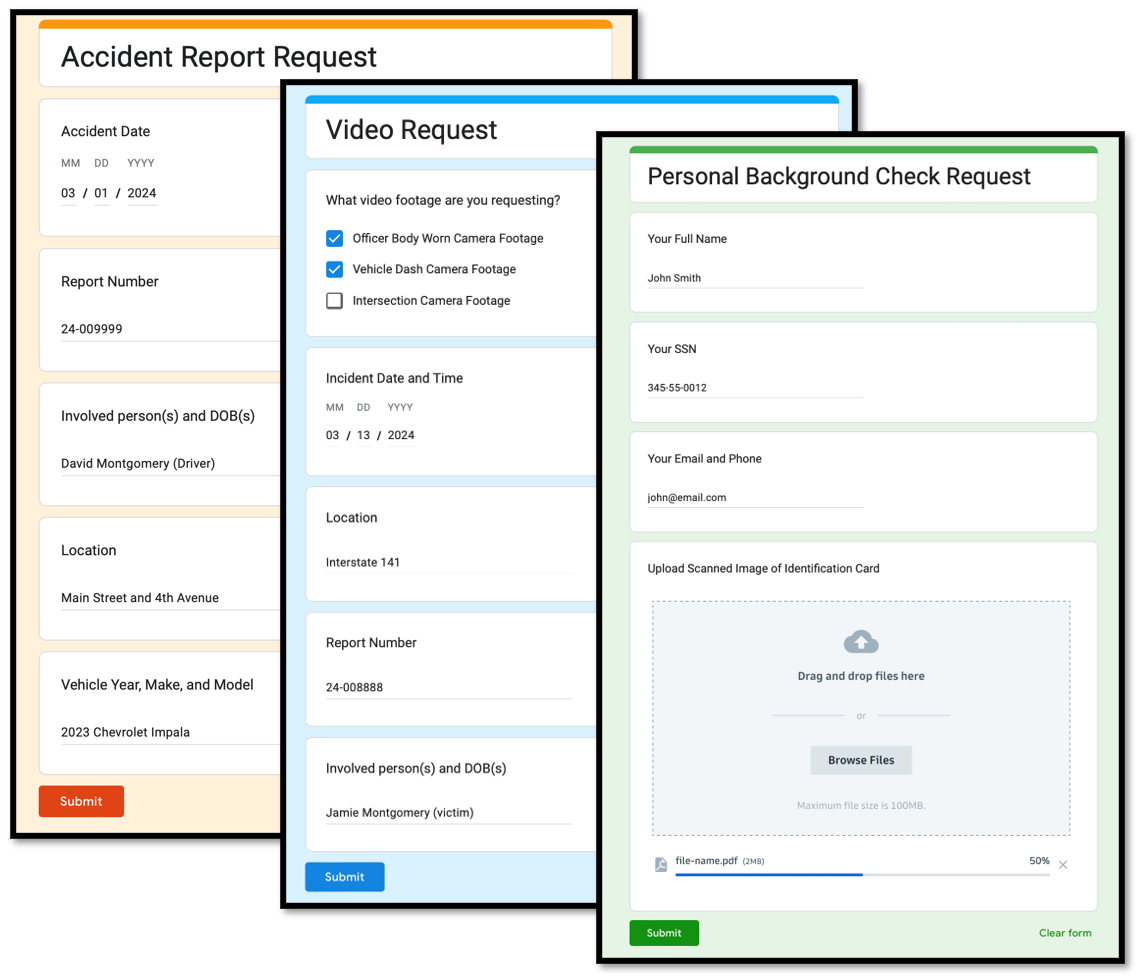
Secure file sharing has become a mission-critical function for government agencies tasked with handling sensitive data, ranging from classified documents to citizen-service records. The stakes are high: a single breach can compromise national security, erode public trust, and result in costly compliance penalties. Implementing best-practice policies and leveraging proven technology solutions helps agencies mitigate risk while maintaining the agility required for modern governance. This article outlines essential practices, regulatory considerations, and practical solutions that enable secure, efficient file exchange across federal, state, and local environments.
Regulatory Landscape and Compliance Requirements
Government entities operate under a complex web of regulations that dictate how data must be protected during storage, transmission, and disposal. Understanding these mandates is the first step toward building a compliant file-sharing framework.
- FISMA (Federal Information Security Management Act): Requires continuous monitoring, risk assessment, and the implementation of security controls for all federal information systems.
- NIST SP 800-171 & 800-53: Provide detailed guidelines for protecting Controlled Unclassified Information (CUI) and establishing baseline security controls.
- HIPAA (Health Insurance Portability and Accountability Act): Applies to agencies handling health-related data, mandating encryption and audit capabilities.
- State-specific statutes: Many states have their own data-protection laws that mirror or exceed federal requirements.
Staying current with these standards ensures that any file-sharing solution not only safeguards data but also avoids costly non-compliance fines. For a deeper dive into aligning technology with regulatory expectations, Discover expert strategies here.
Core Principles of Secure File Sharing
Effective security is built on a foundation of proven principles that should be embedded in every policy and technology choice.
Confidentiality, Integrity, and Availability (CIA)
- Confidentiality: Encrypt data at rest and in transit using FIPS-validated algorithms.
- Integrity: Employ digital signatures and hash verification to detect tampering.
- Availability: Design redundant architectures and robust access controls to ensure authorized users can retrieve files when needed.
Zero Trust Architecture
Zero Trust assumes that no network segment is inherently trustworthy. Applying this model to file sharing means continuously verifying user identity, device health, and contextual risk before granting access.
- Multi-factor authentication (MFA) for all users.
- Device posture assessment (e.g., patch level, encryption status).
- Micro-segmentation to limit lateral movement.
Best-Practice Policies and Procedures
Policies translate technical controls into day-to-day actions. The following guidelines help agencies institutionalize secure file sharing.
- Data Classification: Categorize files (e.g., public, internal, confidential, classified) and apply controls proportionate to the sensitivity level.
- Least Privilege Access: Grant users only the permissions necessary for their role, reviewed on a quarterly basis.
- Retention and Disposal: Define retention periods aligned with legal requirements and securely delete files after expiration using cryptographic erasure.
- Audit and Monitoring: Log all file-transfer events, enforce real-time alerts for anomalous activity, and retain logs for at least one year.
- Incident Response: Establish a clear escalation path for suspected data breaches, including forensic analysis of transferred files.
Technology Solutions for Government File Sharing
Choosing the right platform is essential for meeting both security and usability goals. Modern solutions combine encryption, access management, and compliance reporting into a single, manageable suite.
Secure Transfer Protocols
- SFTP/FTPS: Encrypted file transfer over SSH or TLS, suitable for large batch uploads.
- HTTPS with TLS”?1.3: Ideal for web-based portals and real-time collaboration.
- Managed File Transfer (MFT) gateways: Provide policy-based routing, automated encryption, and detailed audit trails.
Enterprise-Grade Collaboration Platforms
Platforms that integrate with existing identity providers (e.g., Active Directory, SAML) simplify user management while enforcing MFA and conditional access. For agencies seeking a solution that aligns with federal standards, Learn about our tailored solutions.
Data Loss Prevention (DLP) and Content Inspection
- Real-time scanning for prohibited content (PII, PHI, classified markings).
- Policy enforcement that blocks or encrypts files that violate rules.
- Automated redaction tools for sharing sanitized versions of sensitive documents.
Secure Cloud Storage Integration
When leveraging public-cloud services, agencies must ensure the provider meets FedRAMP or equivalent certification. Hybrid models allow sensitive data to remain on-premises while less-critical files are stored in a compliant cloud bucket.
Implementation Roadmap
A phased approach reduces disruption and allows continuous improvement.
- Assessment: Conduct a risk assessment and inventory all file-sharing workflows.
- Policy Development: Draft or update data-classification and access-control policies.
- Solution Selection: Evaluate vendors against criteria such as FIPS compliance, FedRAMP status, and integration capabilities. Explore advanced guides and tips.
- Pilot Deployment: Launch a limited pilot with a specific department, collect feedback, and fine-tune configurations.
- Full Rollout: Scale across the agency, enforce training, and activate monitoring dashboards.
- Continuous Improvement: Review logs quarterly, update policies after major incidents, and incorporate emerging standards.
Training and Cultural Adoption
Technology alone cannot guarantee security; personnel must understand the why and how of secure file handling.
- Mandatory annual training on data classification and secure transfer methods.
- Phishing simulations that highlight risks of credential compromise.
- Clear communication channels for reporting suspicious activity.
Future Trends and Emerging Technologies
Government agencies should stay ahead of evolving threats by monitoring innovations that enhance secure file sharing.
- Zero-Knowledge Encryption: Providers cannot decrypt data, even if compromised.
- Blockchain-based Audit Trails: Immutable logs that simplify forensic investigations.
- AI-driven Anomaly Detection: Machine-learning models that flag abnormal transfer patterns in real time.
Exploring these advancements can position agencies to adopt next-generation safeguards before they become industry standards. For additional insights on emerging practices, Find out more about this approach.
Conclusion
Secure file sharing for government entities demands a balanced blend of rigorous policy, robust technology, and ongoing education. By aligning with federal regulations, embracing Zero Trust principles, and selecting solutions that offer end-to-end encryption, auditability, and seamless integration, agencies can protect critical information while maintaining the operational efficiency required in today’s digital landscape. Continuous evaluation and adaptation ensure that security measures evolve alongside emerging threats, safeguarding public trust for years to come.