Tallow Lip Balm vs Organic Lip Balm

November 7, 2026
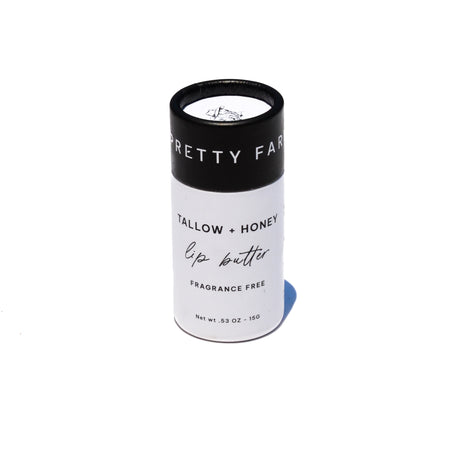
When it comes to caring for delicate lip skin, the choice between tallow lip balm and organic lip balm can feel overwhelming. Both formulations promise hydration, protection, and a smoother appearance, yet they differ fundamentally in ingredients, production methods, and performance characteristics. Understanding these differences helps consumers select a product that aligns with personal preferences, skin sensitivities, and sustainability goals. Below, the key aspects of each type of balm are examined, from sourcing and composition to practical usage tips, so readers can make an informed decision for healthier lips.
What Is Tallow Lip Balm?
Tallow is rendered animal fat, traditionally sourced from beef or lamb. In cosmetics, it is prized for its fatty acid profile, which closely resembles the lipids naturally found in human skin. This similarity allows tallow-based balms to integrate smoothly, delivering long-lasting moisture without a greasy feel.
Core Benefits
- Rich in nutrients: Contains vitamins A, D, K, and essential fatty acids that support skin regeneration.
- Barrier reinforcement: Forms a semi-occlusive layer that shields lips from wind, cold, and low humidity.
- Stability: Naturally resistant to oxidation, extending shelf life compared to many plant-based oils.
Potential Drawbacks
- May not be suitable for vegans or those with specific animal-product sensitivities.
- Some users notice a faint animal scent, though high-quality formulations often mask it with essential oils.
- Regulatory labeling can be more complex, requiring clear disclosure of animal origin.
What Is Organic Lip Balm?
Organic lip balms are formulated with plant-derived ingredients that meet certified organic standards. Common components include shea butter, coconut oil, jojoba oil, and natural waxes such as candelilla or beeswax (the latter being non-vegan). These balms emphasize clean sourcing, minimal processing, and the absence of synthetic additives.
Core Benefits
- Plant-based nutrition: Rich in antioxidants, phytosterols, and essential fatty acids that soothe inflammation.
- Ethical appeal: Appeals to consumers seeking cruelty-free, sustainably harvested products.
- Versatile scent profiles: Allows for a wide range of natural fragrances from citrus to herbal blends.
Potential Drawbacks
- Plant oils can oxidize faster, potentially shortening shelf life.
- Some organic waxes may feel heavier on the lips compared with tallow’s lighter texture.
- Certification processes can increase price points.
Comparative Performance
Both balm types aim to prevent transepidermal water loss, but they achieve this through slightly different mechanisms. Tallow’s fatty acid chain length mirrors that of human sebum, often resulting in a more seamless integration with the skin’s natural barrier. Organic balms rely on the occlusive properties of plant waxes and the humectant action of oils.
Moisture Retention
- Tallow: Provides up to 12 hours of continuous hydration in dry climates.
- Organic: Typically offers 6-8 hours of protection, requiring re-application during extreme weather.
Skin Sensitivity
- Individuals with animal-product allergies should avoid tallow.
- Those with sensitivities to certain plant extracts (e.g., citrus essential oils) should review ingredient lists carefully.
Choosing the Right Balm for Your Lifestyle
When deciding between tallow and organic options, consider the following criteria:
- Dietary preferences: Vegans and vegetarians will naturally gravitate toward plant-based formulations.
- Environmental impact: Tallow can be a by-product of sustainable livestock practices, while organic balms depend on regenerative agriculture.
- Performance needs: For extended outdoor activities, tallow’s longer-lasting barrier may be advantageous.
For a curated selection of both tallow-based and organic lip balms, Discover expert strategies here. The collection presents a range of textures and scent profiles, allowing users to test and compare real-world performance.
Application Tips for Maximum Benefit
- Prep the lips: Gently exfoliate with a sugar-based scrub to remove dead skin.
- Apply a thin layer: Use just enough balm to coat the surface; excess can feel sticky.
- Re-apply strategically: After meals, drinking, or prolonged exposure to wind.
- Store properly: Keep the container in a cool, dark place to preserve the integrity of oils and fats.
Ingredient Spotlight
Tallow-Based Formula Highlights
- Grass-fed beef tallow – rich in stearic and oleic acids.
- Shea butter – adds extra softness and antioxidant protection.
- Essential oil blend (e.g., peppermint, lavender) – provides a refreshing scent without synthetic fragrance.
Organic Formula Highlights
- Certified organic shea butter – deep moisturization.
- Coconut oil – natural antimicrobial properties.
- Candelilla wax – vegan alternative to beeswax, offering a firm yet glide-smooth texture.
To explore detailed ingredient breakdowns and learn about tailored solutions for specific lip concerns, Learn about our tailored solutions. The resource includes guides on selecting balms for cracked, chapped, or sun-exposed lips.
Conclusion
Both tallow lip balm and organic lip balm bring valuable properties to lip care routines. Tallow excels in mimicking the skin’s natural lipid profile, delivering prolonged hydration and barrier support, while organic balms champion ethical sourcing, diverse botanical benefits, and a plant-centric appeal. The optimal choice depends on personal values, skin sensitivities, and the specific environmental conditions in which the balm will be used. By evaluating ingredient lists, performance expectations, and lifestyle factors, consumers can confidently select a balm that keeps their lips soft, protected, and healthy.
For additional reading on how to integrate these balms into a comprehensive lip-care regimen, Explore advanced guides and tips. The curated articles provide practical advice, seasonal adjustments, and expert recommendations to ensure optimal lip health year-round.