Top Trends in Melbourne Metal Fabrication Industry

September 15, 2026
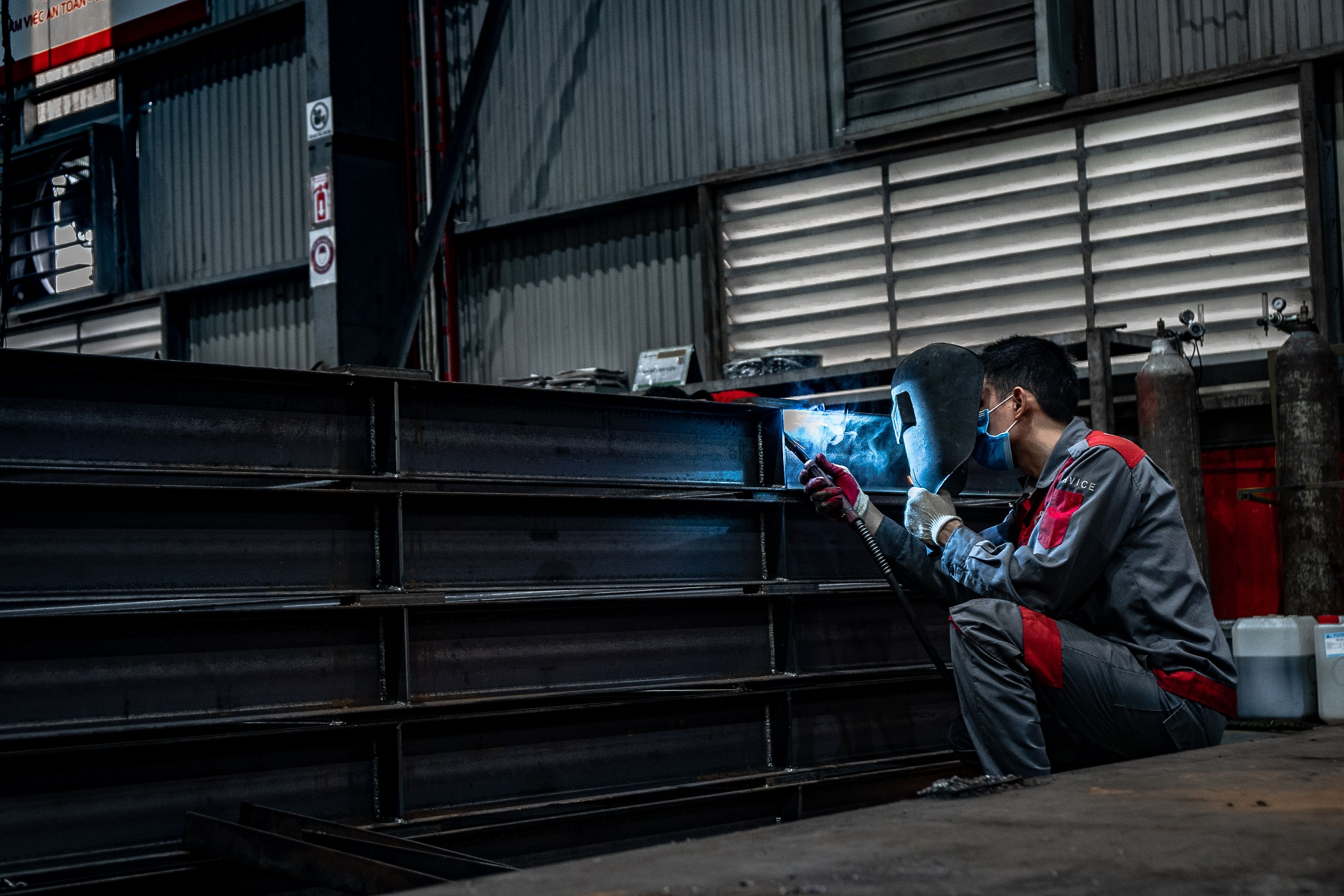
In Melbourne, the metal fabrication industry stands at the forefront of technological innovation and sustainability. As a city known for its vibrant manufacturing sector, Melbourne continuously adapts to global trends that shape the future of metal fabrication. This article delves into the latest trends influencing the industry, highlighting technological advancements, sustainable practices, and the evolving landscape of this dynamic field.
Technological Advancements in Metal Fabrication
The integration of advanced technologies is transforming the metal fabrication processes in Melbourne. Industry players are increasingly adopting automation and digital tools to enhance efficiency and precision. Key technological trends include:
- Automation and Robotics: Automation is revolutionizing production lines, reducing human error, and increasing overall productivity. Robotics play a significant role in welding, cutting, and assembly, offering greater precision and consistency.
- 3D Printing: Also known as additive manufacturing, 3D printing is gaining traction for its ability to create complex designs with minimal waste. This technology is particularly beneficial for prototyping and custom fabrication projects. Explore further insights here.
- Computer-Aided Design (CAD) and Simulation: CAD software enables designers to create detailed models and simulations, allowing for better planning and problem-solving before manufacturing begins.
Sustainability in Metal Fabrication
Environmental sustainability is a critical consideration for the metal fabrication industry. As concerns over climate change and resource depletion grow, Melbourne’s manufacturers are adopting more eco-friendly practices. Key sustainability trends include:
- Recycling and Waste Reduction: Companies are focusing on recycling scrap metal and reducing waste through efficient resource management. This not only conserves materials but also reduces production costs.
- Energy-Efficient Processes: The use of energy-efficient machinery and processes helps to lower the carbon footprint of metal fabrication operations. Learn more in this detailed guide.
- Green Materials: There is a growing demand for materials that are sustainably sourced and have a lower environmental impact, such as recycled metals and low-emission alloys.
Changing Workforce Dynamics
The workforce in the metal fabrication industry is evolving, with a focus on developing new skills and embracing diversity. Trends in workforce dynamics include:
- Skills Development: As technology advances, there is a need for workers to acquire new skills related to automation, programming, and maintenance of advanced machinery.
- Diversity and Inclusion: Emphasizing diversity within the workforce brings a range of perspectives and ideas, which can drive innovation and improve problem-solving. Read more about this topic.
- Remote Work and Flexibility: The adoption of digital tools enables certain aspects of the industry to accommodate remote work, offering greater flexibility for employees.
Market Trends and Future Outlook
The metal fabrication industry in Melbourne is poised for continued growth, driven by increasing demand from sectors such as construction, automotive, and aerospace. Anticipated market trends include:
- Customization and Personalization: There is a rising demand for customized metal products tailored to specific client needs, which requires agile manufacturing processes.
- Global Supply Chain Integration: As global supply chains become more interconnected, local manufacturers are seeking ways to optimize their operations and ensure resilience. Find additional information here.
- Collaborative Industry Networks: Collaboration between businesses, research institutions, and government bodies fosters innovation and accelerates the adoption of new technologies.
In conclusion, the metal fabrication industry in Melbourne is rapidly evolving, with technological advancements and sustainable practices leading the way. By staying abreast of these trends, industry players can position themselves for success in a competitive global market.