Water Extraction Drying in Riverview – Certified Professionals at Work

November 6, 2026
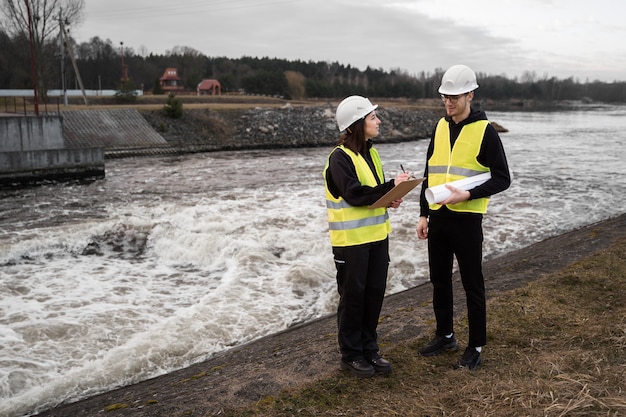
When water infiltrates a property in Riverview, rapid and precise extraction followed by thorough drying is essential to prevent structural damage, mold growth, and costly repairs. Professional water extraction drying combines specialized equipment, industry-tested methods, and a deep understanding of local building materials. This article outlines the critical steps, best practices, and key considerations that certified technicians follow to restore a safe, dry environment after a water incident.
Why Prompt Water Extraction Matters
Time is the most decisive factor in water damage mitigation. The longer moisture remains, the greater the risk of:
- Wood rot and weakened framing.
- Electrical hazards caused by moisture-laden wiring.
- Rapid mold colonization, often within 24-48 hours.
- Odor development and indoor air quality degradation.
Immediate action limits these threats and reduces the overall restoration cost.
Core Process of Water Extraction Drying
Certified professionals follow a systematic approach that can be divided into three primary phases: assessment, extraction, and drying.
1. Detailed Assessment
Before any equipment is deployed, technicians perform a thorough inspection to identify the source, extent, and classification of water intrusion (clean, gray, or black water). Moisture meters, infrared cameras, and hygrometers provide precise data, allowing the team to map out affected zones.
2. Efficient Extraction
High-capacity pumps and portable vacuums remove standing water quickly. In cases where water has seeped into carpets, flooring, or wall cavities, specialized extraction tools reach hidden pockets to prevent lingering moisture.
Discover expert strategies here.
3. Controlled Drying
After bulk water removal, dehumidifiers and air movers create a low-humidity environment that accelerates evaporation. Continuous monitoring ensures that relative humidity stays within the optimal 30-50% range, and adjustments are made as conditions evolve.
Learn about tailored solutions.
Equipment That Makes a Difference
Modern water damage restoration relies on technology designed for speed and efficiency. Key tools include:
- Truck-mounted extraction units: Deliver high flow rates for rapid water removal.
- Low-grain dehumidifiers: Reduce ambient moisture without over-cooling the space.
- Air movers with variable speed controls: Direct airflow precisely where it’s needed.
- Moisture detection devices: Provide real-time data to guide the drying process.
Best Practices for Sustainable Drying
Effective drying extends beyond equipment placement. Professionals adhere to industry standards such as the IICRC (Institute of Inspection, Cleaning and Restoration Certification) guidelines, which recommend:
- Creating a drying plan based on the moisture load and building materials.
- Maintaining a consistent airflow pattern to avoid stagnant zones.
- Documenting humidity levels and temperature daily.
- Conducting post-drying inspections to confirm that moisture content has returned to safe thresholds.
These practices help ensure that hidden moisture does not re-emerge weeks after the initial service.
Health and Safety Considerations
Water damage can introduce biological contaminants and electrical risks. Certified technicians follow strict safety protocols, including:
- Wearing PPE (personal protective equipment) such as gloves, respirators, and waterproof boots.
- Shutting off electricity in affected areas before entering.
- Testing for mold spores and recommending remediation when necessary.
- Ensuring proper ventilation to reduce airborne contaminants.
Choosing the Right Service Provider in Riverview
When selecting a restoration partner, consider the following criteria to ensure competent and reliable service:
- Certification from recognized bodies (e.g., IICRC).
- Experience with local climate and building styles.
- Transparent communication and detailed reporting.
- Availability of 24/7 emergency response.
For a deeper dive into the methodology and success stories, explore advanced guides and tips.
Conclusion
Water extraction drying in Riverview demands a blend of rapid response, technical expertise, and meticulous monitoring. By following proven assessment techniques, employing state-of-the-art equipment, and adhering to industry standards, certified professionals can restore properties to their pre-loss condition while safeguarding health and structural integrity. Homeowners and property managers who understand these fundamentals are better equipped to make informed decisions and minimize the long-term impact of water damage.